
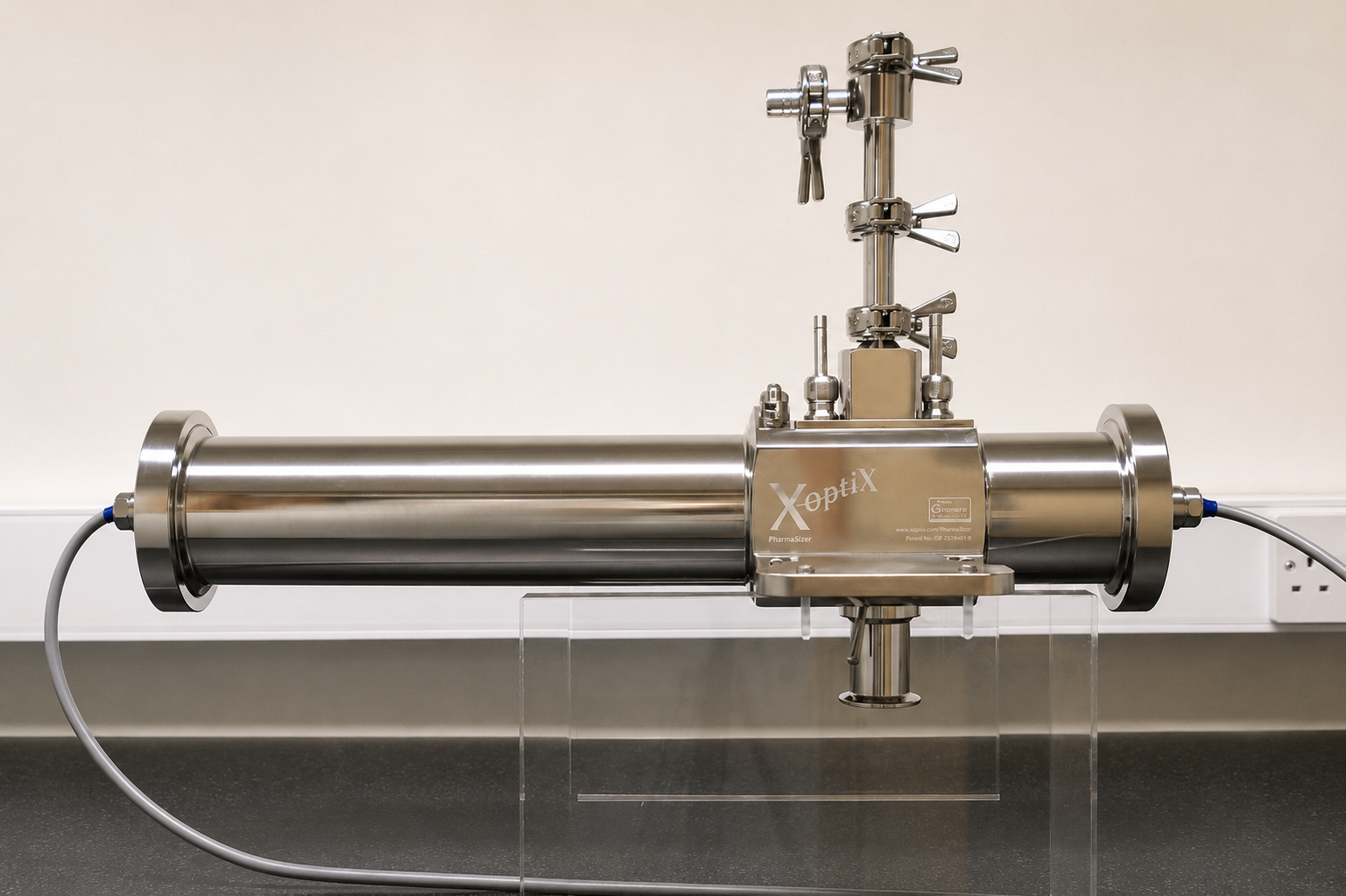
Dry System
Dry system (continuous measurements)
Dry process applications represent the largest area of online particle size measurement. In these installations, the material is handled and transported as a dry powder throughout the production process. Online PSD measurement provides continuous visibility of grinding performance, classification efficiency, product quality, and overall process stability without the delays associated with laboratory testing.
Dry systems are widely used across a broad range of industries. Typical applications include cement production, minerals processing, calcium carbonate manufacturing, silica flour production, fly ash processing, slag grinding, gypsum grinding, coal milling, petroleum coke processing, metal powder manufacturing, food ingredients, milk powders, battery materials, and numerous specialty chemical applications. Any process where dry particle size directly affects product quality or process efficiency can benefit from online measurement.
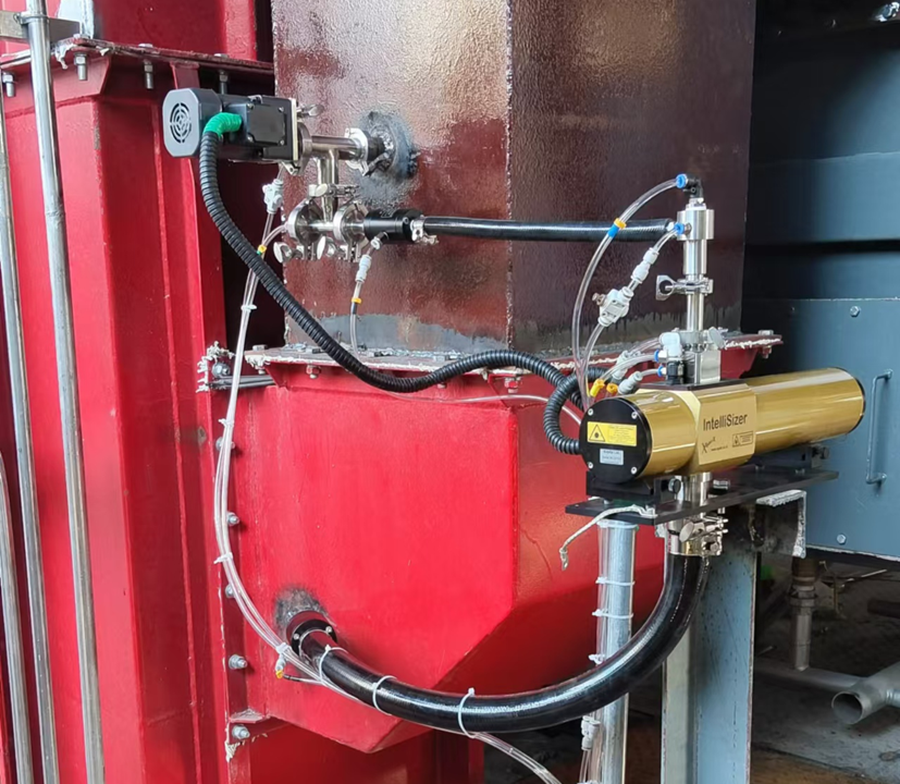
Unlike laboratory particle size analysers, an online dry measurement system consists of much more than the analyser itself. The particle sizer is only one element of a complete integrated solution. A successful installation requires representative sampling, reliable sample transport, controlled dispersion, stable measurement conditions, automation, and effective system integration. In practice, much of the intellectual property and engineering expertise lies within the complete sampling and handling system rather than the analyser alone.
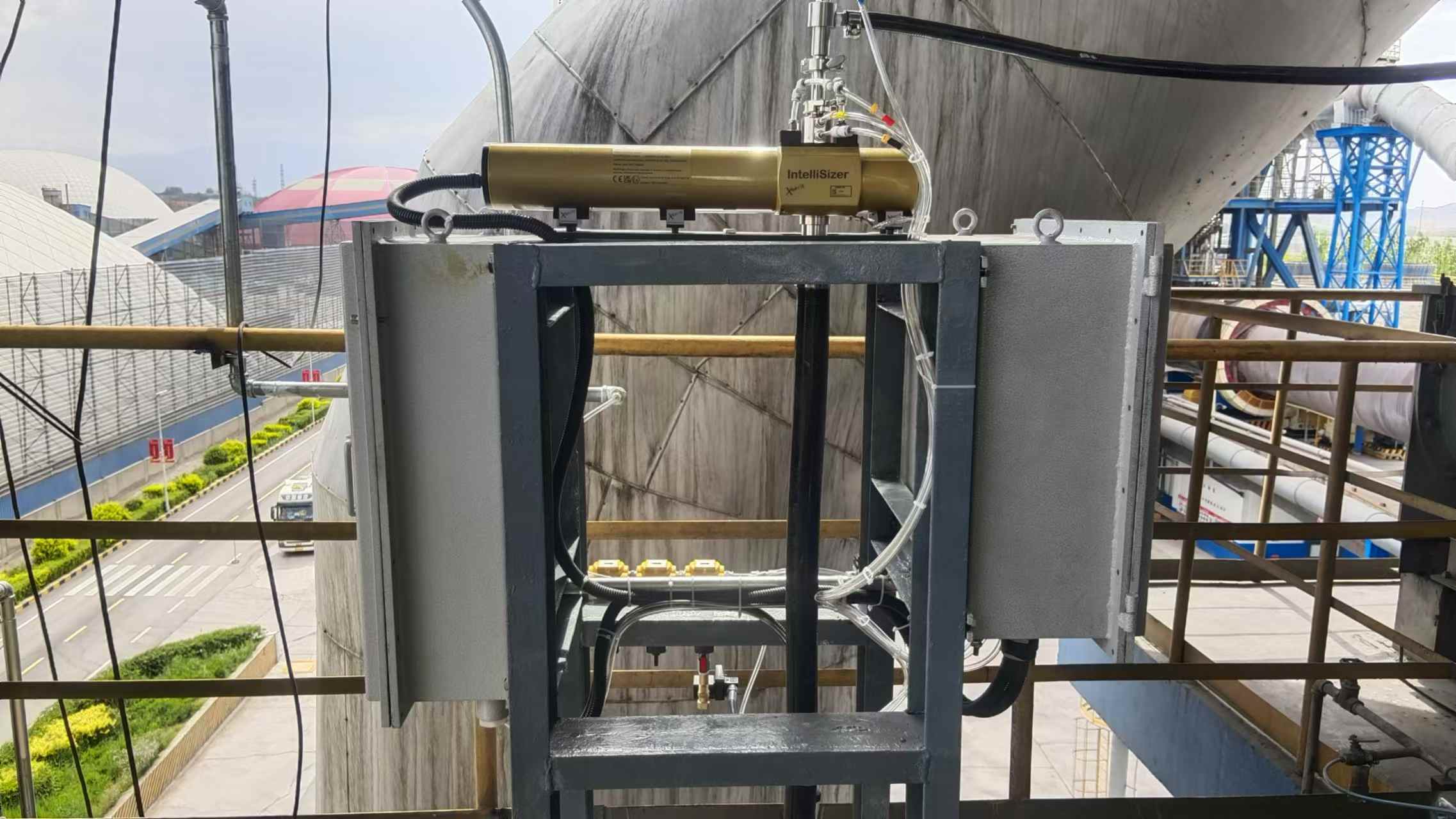
The first stage of any dry installation is sample extraction. A representative sample must be continuously or periodically collected from the process stream using a suitable sampler. Depending on the application, this may be achieved using cone samplers, auger samplers, probe samplers, or batch sampling systems. Selecting the correct sampling technology is often one of the most critical factors in achieving successful online measurement.
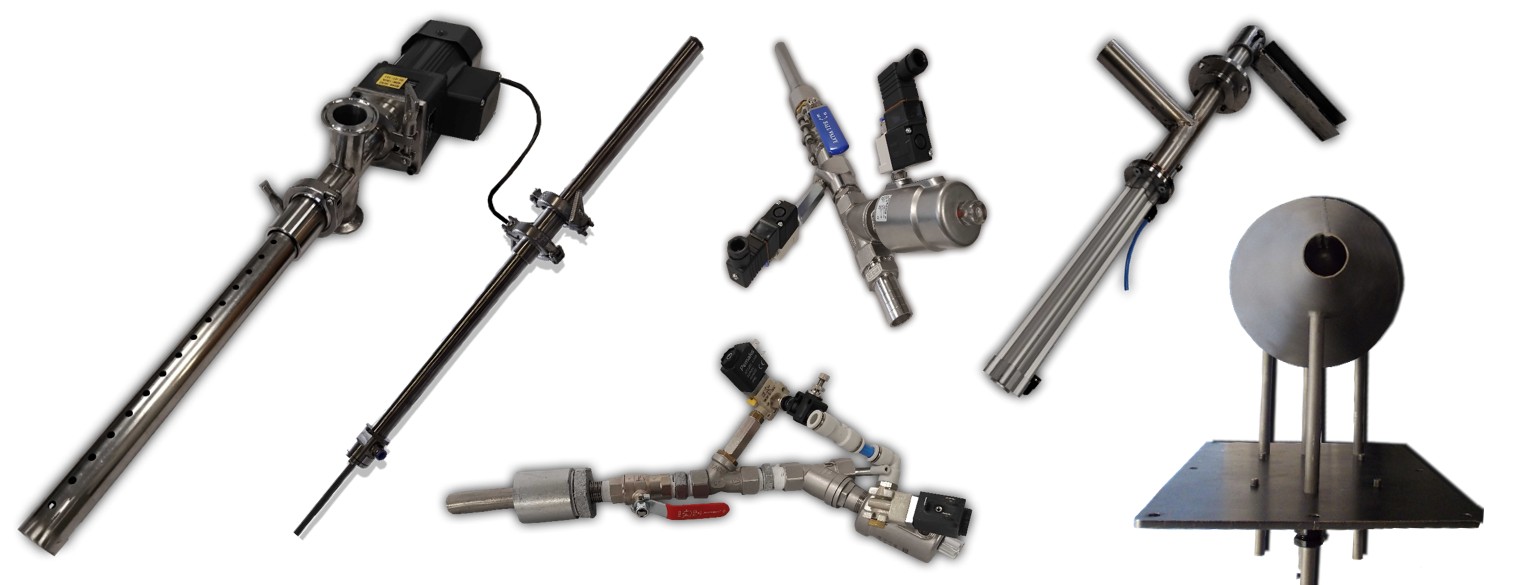
Following extraction, the sample must be transported from the sampling point to the analyser. Sample conveying systems are designed to maintain stable material flow while preventing segregation, buildup, plugging, or changes to the particle size distribution during transport. Conveying distances can vary from a few metres to tens of metres depending on plant layout and installation requirements.
Once the sample reaches the analyser, it enters the dry dispersion stage. The purpose of dispersion is to separate particle agglomerates and create a stable aerosol suitable for laser diffraction measurement. Proper dispersion is essential for obtaining accurate and repeatable PSD results. The dispersion conditions must be carefully controlled to ensure that particles are separated without causing particle breakage.
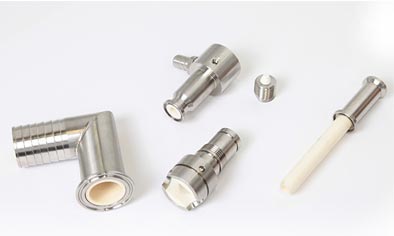
The dispersed sample then enters the dry flow cell, where the laser beam passes through the particle stream. As particles cross the measurement zone, they generate a diffraction pattern that is collected by the detector array and converted into particle size distribution data. The design of the flow cell is critical to maintaining stable measurement conditions and ensuring reliable long-term operation in industrial environments.
After measurement, the sample can either be returned to the process or directed to a waste collection system. Return systems are commonly used in cement, minerals, and other bulk material industries where minimising material loss is important. In other applications, disposal may be preferred due to product handling requirements or regulatory considerations.
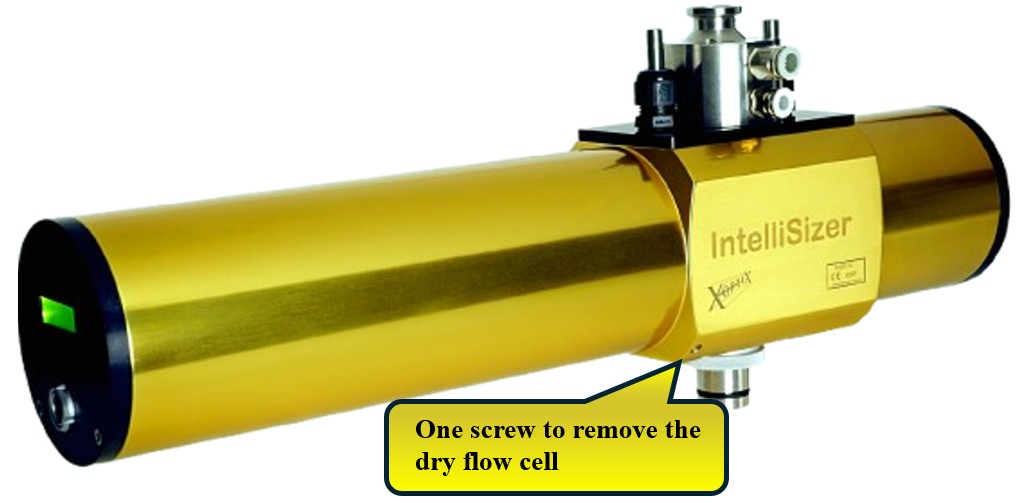
Measurement is performed using the dry version of the IntelliSizer and its dedicated dry measurement cell. The instrument is specifically designed for continuous online operation and incorporates optical, mechanical, and diagnostic features required for industrial environments. The analyser continuously monitors particle size distribution while simultaneously tracking sample loading, attenuation, and instrument performance.
A key difference between online and laboratory particle size measurement is the continuously changing nature of the process environment. Material flow rates, process pressures, temperatures, humidity levels, and operating conditions can all vary significantly over time. The online system must accommodate these changes while maintaining representative sampling and measurement stability. The measured PSD should reflect actual process behaviour rather than variations introduced by the measurement system itself.
For this reason, the performance of the complete system is ultimately more important than the analyser alone. Sampling, conveying, dispersion, measurement, automation, diagnostics, and process integration must work together as a single engineered solution. This systems-level approach is where much of the expertise and intellectual property within online particle size measurement resides and is one of the key factors that differentiates successful industrial installations from simple laboratory instruments adapted for process use.